AI is reshaping cybersecurity, leading to new roles, faster processes, and efficiency challenges in vulnerability management and response.
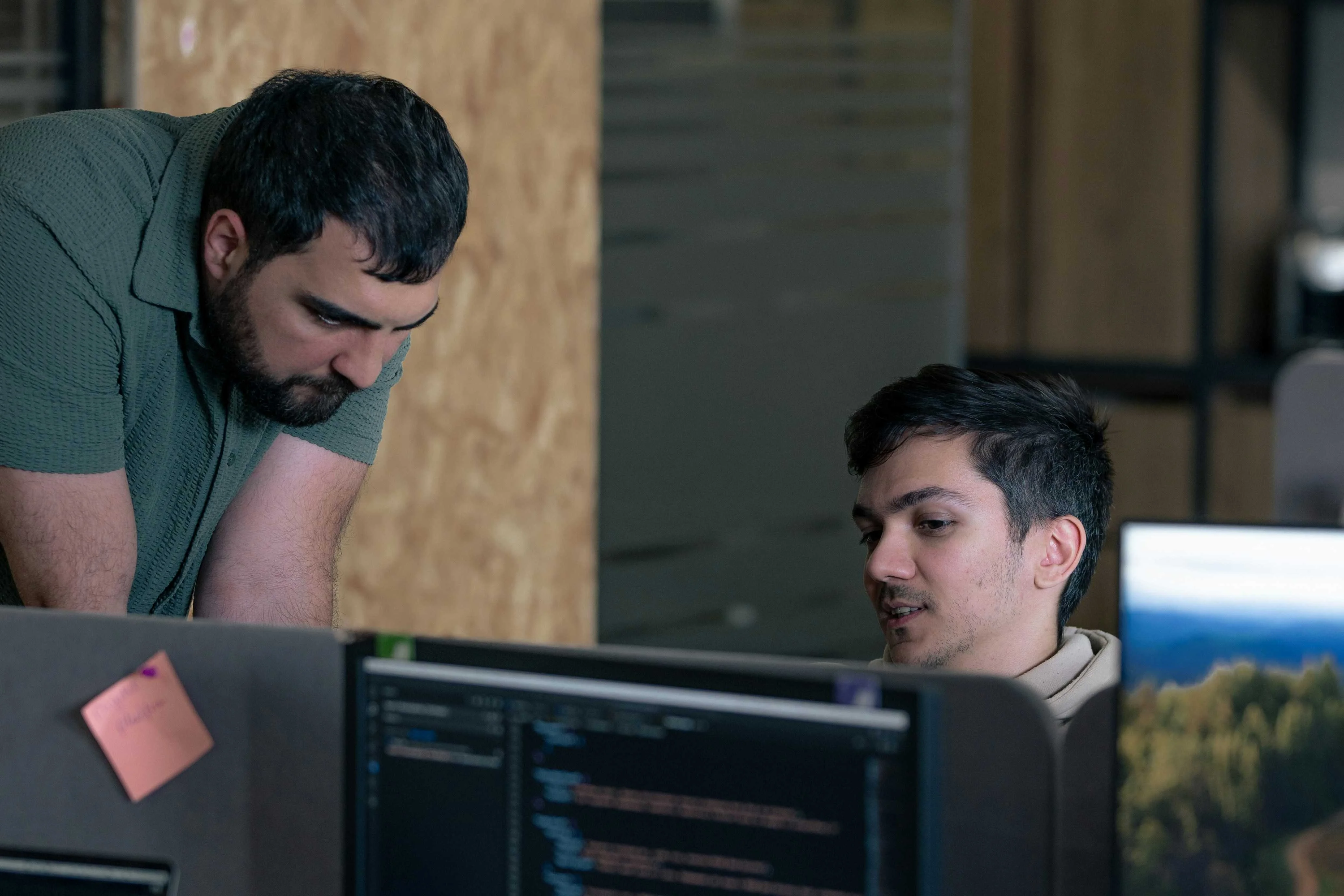
The advancement of AI is poised to significantly reshape the cybersecurity domain, mirroring the transformations seen in software engineering. Where coding used to be a solitary task, it's now about collaborating with intelligent systems that empower developers, increasing productivity but also complicating job dynamics. A recent report from Google Cloud highlights that 90% of developers employed AI in their workflows, contributing to an impressive 26% rise in task completion rates among AI users compared to their non-AI counterparts. Yet, this surge in efficiency is met with undeniable repercussions on employment within the sector.
As employment growth for developers appears to decelerate, organizations will adapt to a landscape where software engineering teams become more compact and AI-augmented. Gartner forecasts that by 2030, 80% of IT organizations will minimize their software engineering teams while increasing the prevalence of specialized roles such as AI-governance specialists and AI-enhanced user experience designers. This shift has the potential to redefine not just the structure of development teams but the nature of employment itself in tech.
Preparing for a New Cybersecurity Paradigm
When considering the implications of AI in cybersecurity, parallels to software development exist, but the differences are profound. Experts like David Lindner, CISO at Contrast Security, emphasize that security controls must yield consistent results, a requirement that doesn’t easily align with the progressive shifts happening in software methodologies. Unlike software, which can quickly integrate autonomous agents into development workflows, cybersecurity will evolve at a more deliberate pace, according to Jim Reavis, CEO of the Cloud Security Alliance.
The Emergence of Autonomous Security Operations Centers (SOCs)
Change is already underway, particularly in Security Operations Centers (SOCs), which are adapting to incorporate AI agents capable of performing tasks that traditionally required fully staffed teams. These agents can triage incidents quickly, drastically improving the response time to potential threats. Still, there's ongoing debate regarding the extent of authority these AI agents should hold. While tools are being leveraged for initial assessments, many leaders are cautious about allowing these systems to make final decisions without human oversight.
Experts agree that the future SOC is likely to consist of AI handling first-level tasks, freeing human experts for more complex problem-solving and oversight roles. Reavis points out that speed will be critical in this transition; organizations will need to adapt to machine-speed operations to effectively guard against increasingly sophisticated threats.
Navigating the Flood of Cyber Vulnerabilities
With AI accelerating the discovery of security vulnerabilities, cyber defenders are facing not only an influx of new data but also significant challenges in managing it effectively. While organizations are capable of identifying a vast array of vulnerabilities, the real struggle lies in the capacity to prioritize and address these issues effectively. Reavis highlights this dilemma, emphasizing that the abundance of information now surpasses the ability of many teams to manage it meaningfully.
This situation can lead to critical vulnerabilities being overlooked if defenders are inundated with less relevant data. As Caleb Sima, chair of the CSA AI Safety Initiative, states, while the challenge of vulnerability discovery in source code has been largely addressed, the testing in dynamic production environments requires continued development.
Machine-Speed Threats Demand Corresponding Responses
The evolving nature of threats also necessitates a shift in response strategies. Autonomous attacks could shift the paradigm away from traditional techniques, as agents can rapidly exploit vulnerabilities and spread within networks. To combat this, defenders need to design environments that allow for fast, scalable responses. This involves implementing fundamental security practices, as outlined by Lionel Litty of Menlo Security, focusing on limiting damage from any singular exploited vulnerability.
Restructuring Cybersecurity Workforces
The restructuring of cybersecurity roles, fueled by the advent of AI, may not lead to net job losses. Instead, a more agent-heavy paradigm is anticipated, where teams become flatter and the distinction between senior leadership and hands-on roles blurs. Reavis suggests that organizations will see a shift towards enhanced collaboration across skill levels, while Sima predicts a burgeoning demand for highly skilled personnel and AI-integrated junior roles.
Amid these transitions, expertise and judgment remain irreplaceable, as highlighted by Lindner. The accurate application of AI in security contexts will hinge on skilled professionals who understand the limitations and opportunities presented by these technologies.
Streamlining the Security Tool Ecosystem
A promising aspect of the AI integration is the potential to consolidate and streamline the myriad security tools currently in use. As systems mature, AI can serve as the interface connecting disparate tools, leading to smoother operations across the board. Reavis notes that while the technology landscape is sprawling, the organization’s ability to manage various tools effectively will become vital in dealing with an explosion of automated agents.
Action Steps for CISOs
Cybersecurity leaders shouldn't wait for AI-related transformations to manifest before taking proactive measures. Reavis advises CISOs to focus on maximizing the efficiency of high-volume tasks, like alert enrichment and initial triage, by experimenting with controlled AI agents. Additionally, understanding the landscape of AI adoption and constantly evaluating its effectiveness is crucial.
Finally, accountability for AI performance needs to be clearly defined. Every agent must have an assigned human or team responsible for its actions, particularly for significant or challenging decisions. For CISOs, the objective is not to automate indiscriminately but to find where AI can be most beneficial while ensuring proper oversight to address failures effectively.
Discussion
Sign in to join the discussion.