Gemini reaches over 1 billion active users and now integrates with top apps like Ticketmaster and OpenTable to streamline task management.
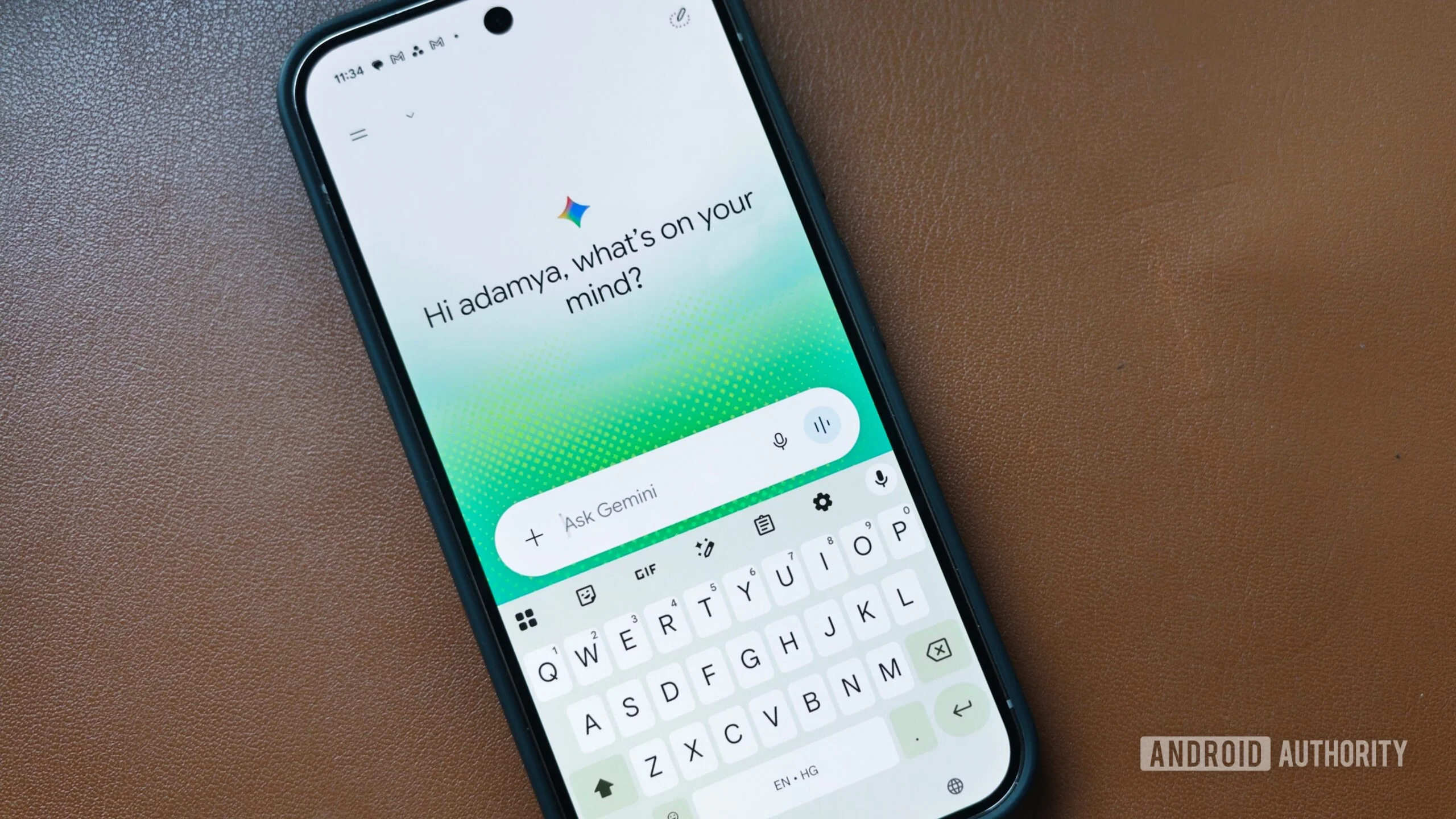
Gemini's User Milestone
Gemini, the AI assistant from Google, has recently surpassed 1 billion monthly active users, marking it as the fastest-growing product in the company's history. This exponential growth signifies a larger trend of AI integration into everyday tasks. Gemini's surge in usage highlights how AI is moving from theoretical applications to tangible benefits that can reshape consumer behavior and preferences.
What’s particularly noteworthy is the context in which this milestone was achieved. The pandemic accelerated the shift towards digital solutions, and with remote work becoming normalized, people turned to technology for support in their daily lives. As a result, AI assistants, once seen primarily as novelty items, are now viewed as essential productivity tools. This reflects a broader acceptance of AI technology, and clearly, users are eager to explore its potential. Google's approach to AI has evolved significantly, positioning Gemini as more than just a voice assistant, but rather a multifaceted tool for productivity, creativity, and task management.
New App Integrations
In a bid to enhance functionality, Gemini is introducing connections with a range of popular applications, including Ticketmaster, Otter.ai, Wix, OpenTable, Zocdoc, and Pandora, among others. This integration is part of a strategic move towards making Gemini more action-oriented. By connecting with such a variety of services, Google is not just trying to make Gemini a digital assistant but positioning it as a central hub for users' digital lives.
Consider the implications of integrating with platforms like OpenTable for restaurant reservations or Ticketmaster for event ticketing. Users can now leverage Gemini to execute tasks they would previously have had to manage through multiple, fragmented applications. This streamlining could enhance user satisfaction significantly, as it reduces friction in managing daily responsibilities. Such integrations are indicative of a future where AI assistants are not merely passive responders but active participants in workflow management.
Apart from enhancing usability, integrating with third-party apps might also strengthen user loyalty. When users rely on a single platform to manage various aspects of their lives, it fosters a deeper relationship with that product. It’s critical for Google to ensure that these integrations don’t merely add complexity but deliver real value to users, otherwise, there’s the risk of disappointment leading to disengagement.
Streamlining Tasks
The goal is clear: users will now be able to plan and execute tasks directly from a single conversation. This approach aims to minimize the need for switching between multiple apps, promising a more efficient and cohesive user experience. In the competitive landscape of digital assistants, ease of use is a paramount factor that influences user retention and satisfaction.
This integration of task management within Gemini might raise questions about data privacy. With the assistant handling more sensitive tasks, users may be hesitant if they feel their data isn’t secure. Google will need to provide reassurance around privacy measures, particularly when dealing with personal or financial data across integrated tools. Comfort with privacy will play an essential role in how well these features are received, especially as awareness of data usage grows among consumers.
One key aspect that many people overlook is how user interfaces (UIs) will adapt to accommodate these new functionalities. User experience design must evolve to ensure that this convenience doesn’t result in clutter or confusion. The balance between advanced features and a clean UI will be crucial in keeping Gemini accessible and user-friendly.
User Engagement
Gemini's capabilities are expanding beyond mere information retrieval. With users actively engaging by utilizing features like Gemini Live to share screens and seek assistance, the platform is generating over 150 million images daily. This level of interaction reveals a shift in how users perceive AI assistants, moving from simple query response systems to platforms that actively enhance collaboration and creativity.
The emergence of features like screen sharing creates potential new use cases, particularly for remote teams or individuals working in creative fields. Users are increasingly looking for tools that not only assist them but actively contribute to a collaborative process. The challenge for Google will be to continue enhancing Gemini's engagement features without overwhelming users, ensuring that the experience remains enjoyable and productive.
Sales figures aside, the growing user engagement is a clear signal that Gemini is resonating with its audience. People want products that adapt to their real-life needs. As Gemini evolves to support more interactive and visual features, the relationship between user and AI will deepen, potentially setting a new standard for others in the industry.
Implications and Future Outlook
What this growth signifies for the industry at large is substantial. As Gemini surpasses its milestone, competitors like Apple's Siri and Amazon's Alexa will undoubtedly feel pressure to innovate. The benchmarks established by Gemini could accelerate advancements in AI, prompting rivals to rethink their strategies on user engagement, data privacy, and app integration. The expectation will be set—the next leader in AI assistants won’t just answer questions but actively empower users.
If you're working in this space, consider how Gemini's success might influence your own products or strategies. Expect to see a push for more cohesive user experiences that merge various functionalities into single platforms. As the trend towards integration grows, companies might have to prioritize the development of partnerships with third-party apps to stay relevant.
The implications of this growth extend beyond personal use; businesses might be encouraged to invest more in AI-powered tools for efficiency and productivity. As familiarity with AI increases, users will demand more from their digital assistance, leading to a cycle of innovation that could redefine productivity standards across sectors.
Discussion
Sign in to join the discussion.