Swiff v1.3.0 enhances user experience by integrating Adobe Flash Player support and expanding to J2ME and Scratch games, alongside key updates.
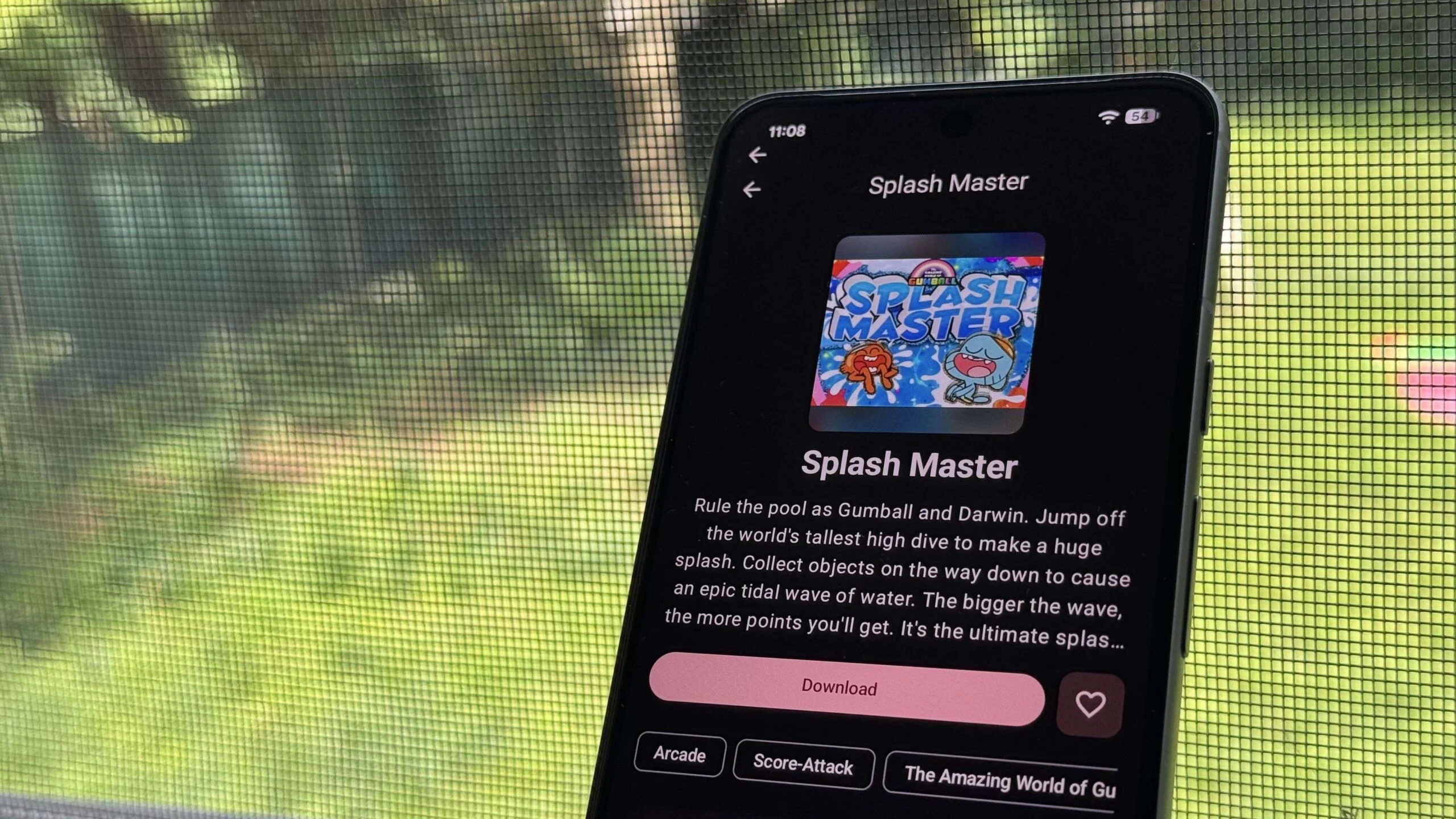
Reviving Classic Gaming
If you’re nostalgic for classic browser games, you’re likely familiar with Swiff. Since its early-July launch, this Android app has made it easier to enjoy a wide range of classic Flash games on mobile devices. Now, with the release of version 1.3.0, Swiff takes a significant step forward, broadening its functionality beyond just Flash titles. This evolution not only enhances its appeal to retro gamers but also taps into a broader market of mobile gaming aficionados looking for simpler, nostalgic entertainment during a time when hyper-realistic graphics often dominate the industry.
Key Features of Version 1.3.0
The latest update introduces the original Adobe Flash Player, addressing compatibility issues some users faced with Ruffle. For context, Flash was once ubiquitous in web browsing, powering countless games and interactive experiences until it was phased out in favor of more modern technologies. Ruffle, an emulator supposed to preserve Flash content, struggled to offer full compatibility, leaving many classic games unplayable. Swiff steps in by reintroducing Adobe's own technology in a mobile environment, showing a commitment not just to nostalgia but also to practicality.
But Swiff isn’t stopping there; it now also supports J2ME mobile games and Scratch titles, further expanding its vast gaming library. J2ME, or Java 2 Platform, Micro Edition, was a popular framework for mobile games in the early 2000s. This inclusion would allow players to revisit classics like "Snake" and "Quiz" games that were staples on early mobile devices. Scratch, developed at MIT, offers a diverse range of educational and playful games aimed primarily at children, making the app accessible to a younger audience too. This spectrum of games could help bridge generational gaps in gaming preferences, introducing newcomers to the charm of earlier gaming eras.
Quality-of-Life Improvements
Alongside the core updates, the app has received several quality-of-life enhancements. Users can now create playlists, manage storage more effectively, and customize on-screen controls, all while enjoying a slew of bug fixes that improve overall performance. What this means for users is an improved and personalized gaming experience. Playlists can streamline the gaming process, letting users queue their favorite titles without navigating through a labyrinth of menus each time. The storage management feature is particularly welcome in a time when mobile devices often struggle with limited space. Frequent gamers will appreciate the ability to delete or prioritize storage for games they play regularly.
With customizable on-screen controls, there's a nod to personal preference—a crucial factor in mobile gaming. Players can adjust the layout to suit their comfort, which can lead to a more enjoyable gaming experience overall. Little things like this can make or break an app, especially in a marketplace saturated with options.
The Appeal of Nostalgia
Let's not sugarcoat it—nostalgia is a powerful marketing tool. Swiff capitalizes on this sentiment, allowing users to revisit simpler times in gaming. In a cultural landscape defined by increasingly complicated games that sometimes prioritize monetization over enjoyment, there’s a significant market for straightforward, engaging content. The success of Swiff will likely hinge on its ability to maintain a balance between quality gameplay and ease of access. It’s about more than just looking back; it’s about offering something genuinely enjoyable and reminiscent of an era when gaming was more about creativity than complexity.
This appeal extends beyond gamers. Parents may introduce these classic games to their children, providing a means of bonding through shared experiences. It’s fascinating, really—watching different generations connect over pixelated graphics and lo-fi soundtracks. But with this also comes concern. The reemergence of Flash and other older platforms can bring issues related to security vulnerabilities as well. Users should be careful about engaging with outdated software, even in the name of fun.
Implications and Future Outlook
Swiff's development trajectory hints at a broader trend within the gaming industry. As gaming technologies evolve, retro platforms often seem to reappear in unexpected formats. The appetite for classic content remains strong, but so does the need for safety and security, especially on mobile devices. If Swiff can demonstrate that it can not only entertain but also safeguard its users from potential risks, it may pave the way for further evolutions of retro gaming applications.
This trend of revival could alter how new games are developed too. Developers might find inspiration in classic mechanics that prioritize enjoyment over intricate monetization schemes. We could see more mobile games embracing simple yet engaging gameplay mechanics, leading to a fuller ecosystem where both classic and modern elements coexist. That said, it’s a tightrope—too much nostalgia can feel stale if not done thoughtfully.
The numbers here are underwhelming, but optimism can’t be ignored. As more users migrate towards applications like Swiff, a richer understanding of what players want could emerge. In an industry often rushed by trends and fleeting social media buzz, the endurance of these classics suggests a yearning for deeper connections within gaming culture.
If you’re working in this space, keeping an eye on how retro apps are functioning could yield valuable insights. The overall scene isn’t just shifting; it may very well be paving new avenues for both old and new generations of gamers. Players aren't just after the next big title; sometimes, they just want to revisit simpler times. And that’s significant.
Discussion
Sign in to join the discussion.