Mirantis will assess VMware workloads and help move them to its OpenStack-based MOSK platform, addressing a skills gap as licensing changes prompt platform reviews.
The migration problem is partly a staffing problem
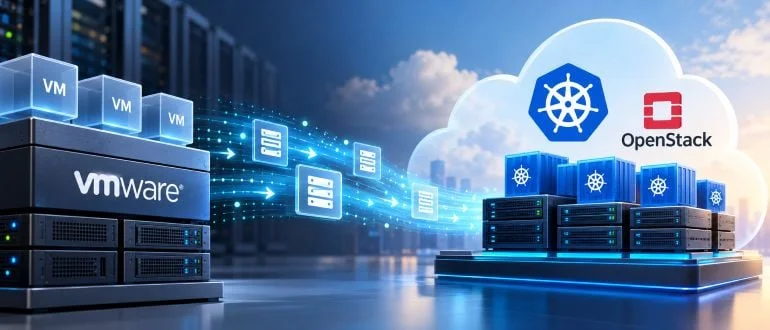
For organizations weighing a move away from VMware, the hard part may be less about choosing a destination than finding the people to run the migration. Mirantis is addressing that gap with a service that pairs a free assessment with hands-on help moving workloads to Mirantis OpenStack for Kubernetes (MOSK), its Kubernetes platform built on OpenStack. That combination speaks to a common problem in platform changes: buying or selecting a destination doesn’t give a company the experience to move applications safely or operate them afterward.
The service, announced this week, expands on migration tools Mirantis already offered. Product manager Cristian Klein said Mirantis teams will now manage the work as part of a services engagement. The company has also hardened open-source software that can perform a role similar to VMware’s Virtual Disk Development Kit (VDDK), which Broadcom no longer makes available. Competing migration providers had relied on VDDK, so its absence creates a practical gap for organizations trying to move virtual machines. Mirantis’ approach combines software with staff time; the distinction matters because a tool can automate parts of a move, but it can’t settle every application or operating decision for a customer.
Migration scope and timing
Mirantis says it aims to move workloads to MOSK without requiring customers to buy additional infrastructure whenever the existing setup allows it. Klein put the average migration at about five weeks, with the amount of data affecting the schedule. That estimate gives teams a starting point, not a schedule they can assume will fit every environment: data volume is only one part of the work, and application dependencies and operating requirements can affect how a migration is planned. The free assessment gives teams a way to evaluate a move before committing to the work, including whether the proposed destination fits their current setup.
That hands-on support targets a practical skills shortage. Many administrators experienced with VMware haven’t yet built the expertise to migrate workloads to an open-source platform or operate Kubernetes clusters at scale, Klein said. The service supplies that expertise while customers assess which applications make sense to move. In a migration, that distinction is consequential: teams have to understand how an application is configured today, what it depends on, and how those needs will be handled after the change. If you’re working in this space, the offer is best understood as help with both the technical move and the decisions around it.
Workload choices remain open
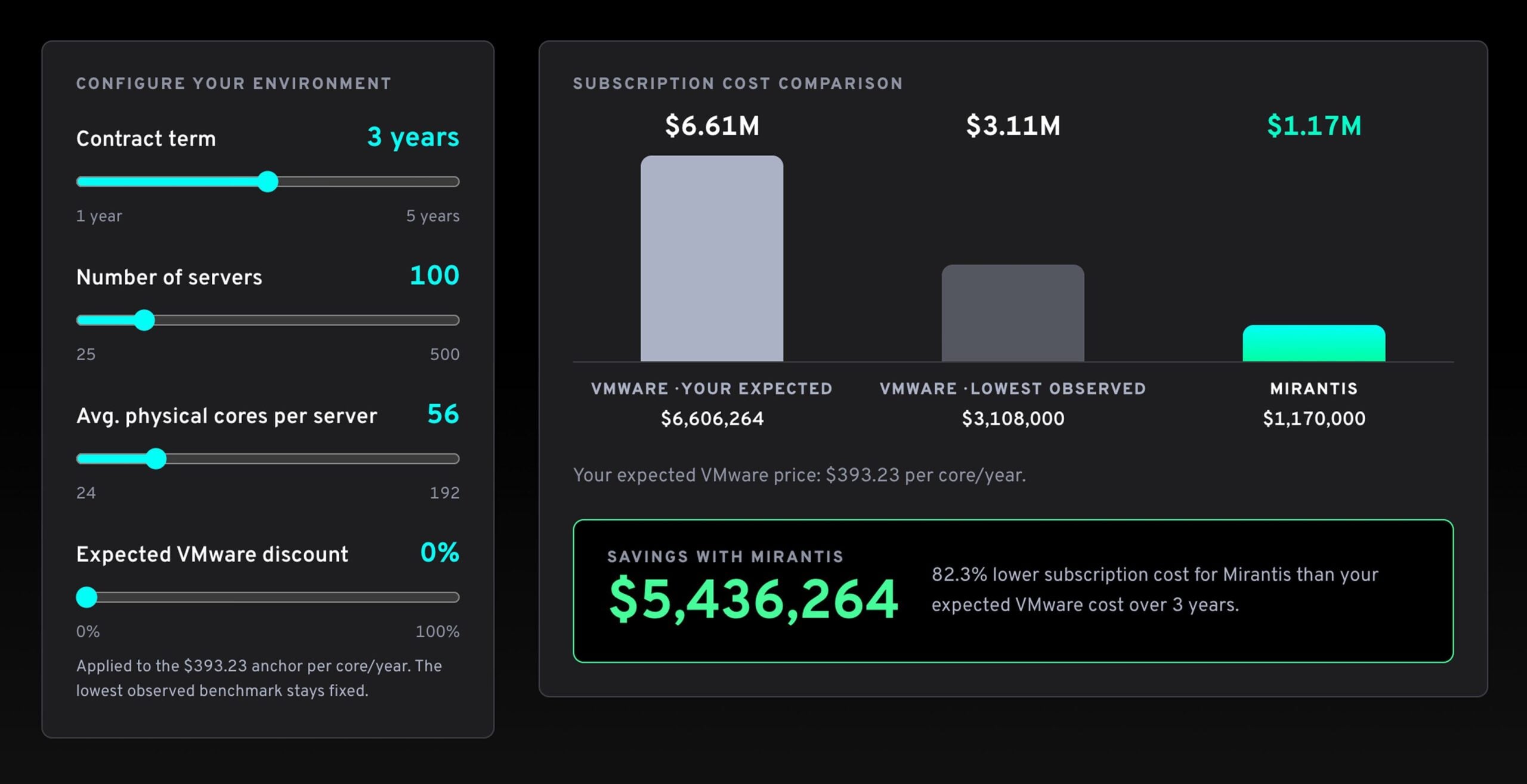
Broadcom has promoted VMware Cloud Foundation 9, which brings hypervisors, virtual storage and networking services into a more tightly integrated platform at higher licensing fees. The number of organizations planning to leave VMware remains unclear. Some may shift workloads to other platforms; others may keep existing systems while placing new applications elsewhere. That range of responses matters because licensing pressure doesn’t make every application equally easy or sensible to move. A platform decision can be made workload by workload, with the costs and operational demands weighed against the effort of changing systems.
For legacy software, teams must decide whether to keep largely monolithic applications on virtual machines or rewrite them for cloud-native environments. Klein noted that many organizations still depend on hypervisors to isolate applications, so a move to Kubernetes doesn’t automatically remove the need for virtualization. The two technologies can serve different roles in the same environment, and moving an application’s workload doesn’t by itself answer how it should be isolated or maintained. Rewriting software can bring a different operating model, but it also means taking on work beyond moving an existing virtual machine. The practical question is which applications justify that effort.
Kubernetes adds another operations burden
Licensing changes may push more IT teams to deploy Kubernetes, but that shift adds operational demands. AI tools could lower the engineering expertise needed to deploy clusters, yet IT environments are already spanning more platforms and application types, from legacy software to new AI workloads. Team sizes aren’t necessarily growing with that complexity. Easier deployment can help with one part of the job, but it doesn’t remove the continuing work of running clusters and supporting the applications placed on them. More platforms can also mean more skills for teams to maintain.
Mirantis is betting that migration help can ease one part of the transition. This is more significant than it looks: when staff capacity is the constraint, a migration service can affect whether a platform change is workable at all. And yet, a service can’t make every workload a good fit for MOSK, or remove the operating demands that come with Kubernetes. Here’s the thing: the assessment only has value if it helps customers make specific choices about what to move and what the move will require.
What the service may change
For IT leaders, the near-term decision is less whether every workload should move than which ones fit the cost, skills and operating model of a new platform. That requires looking beyond licensing fees to the work involved in migration and ongoing support. Similar platform changes often require teams to balance the appeal of a new environment against the burden of running it alongside existing systems. A free assessment can help frame that comparison, though its usefulness will depend on how clearly it identifies those tradeoffs for each customer.
One question remains: can organizations build the skills to run the destination after outside help has completed the migration? A five-week average, as Klein describes it, gives a sense of the engagement but doesn’t answer how much internal preparation a customer needs or how the work varies by application. That said, the service puts a concrete option on the table for teams that lack migration experience. The test will be whether that help makes a move manageable and leaves customers able to operate what they’ve moved. A starting point, not a complete answer.
Discussion
Sign in to join the discussion.