Organizations must proactively prepare for post-quantum cryptography by prioritizing security risks and implementing robust discovery tools.
The shift to post-quantum cryptography (PQC) is looming, and organizations need to take decisive steps now to mitigate associated risks. The first order of business should be to rigorously assess the cryptographic assets in use. This involves understanding not only what these assets protect but also the risk implications tied to potential exposure.
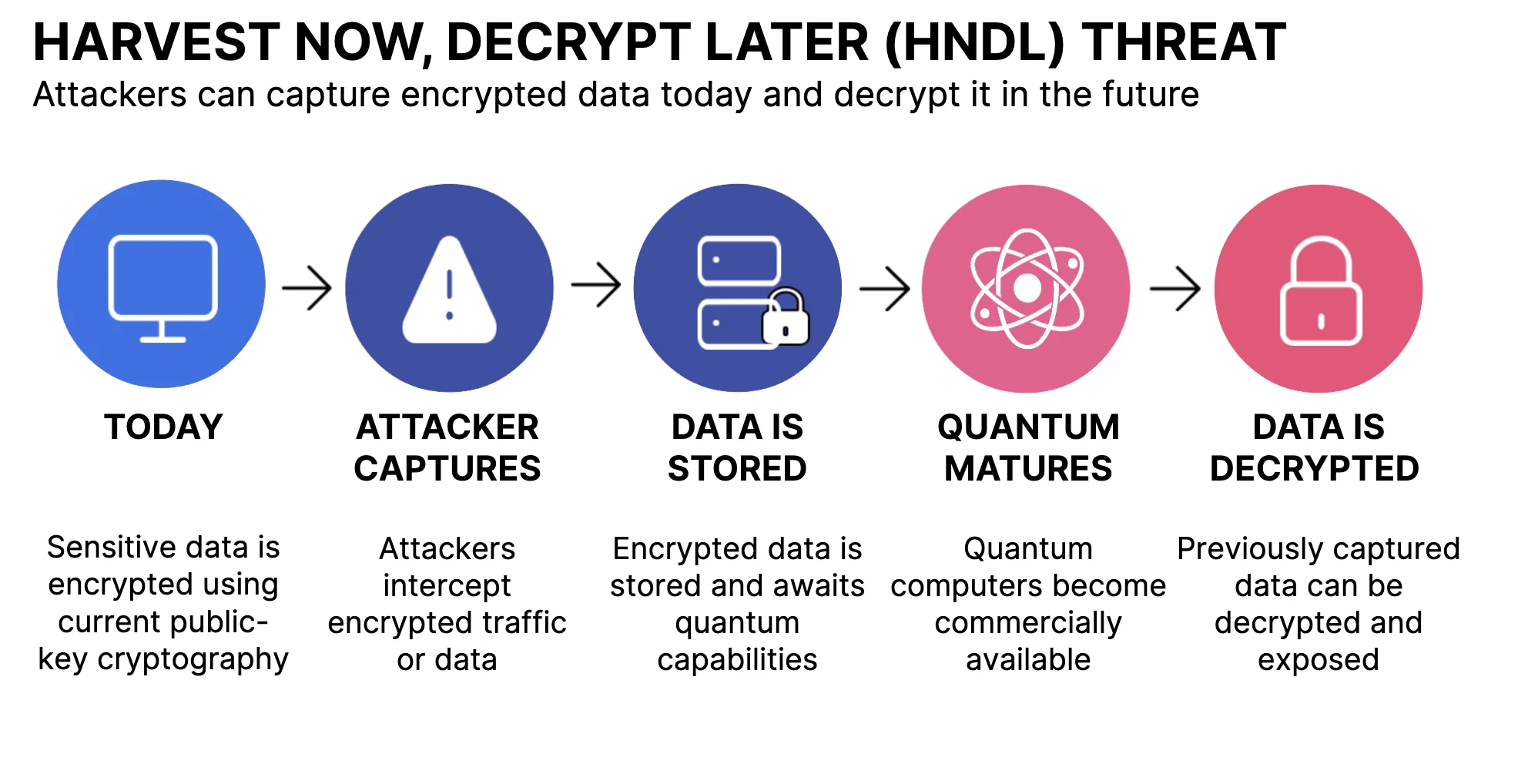
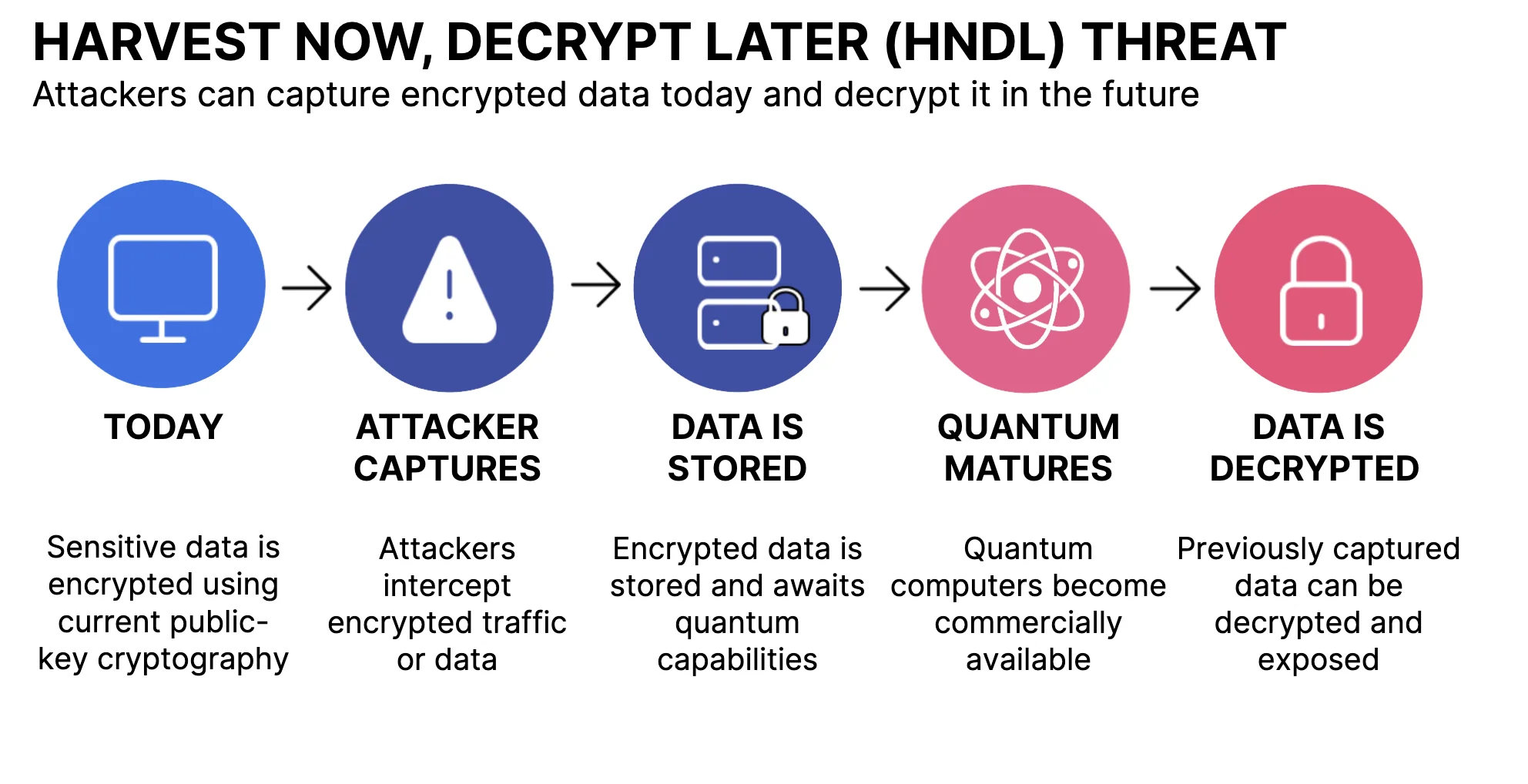
Although robust quantum computers capable of significant attacks are not yet a reality, the threat landscape is already shifting. Attackers today can exploit cryptography vulnerabilities through tactics like harvest now, decrypt later (HNDL), where sensitive data secured by algorithms such as RSA or ECC could be harvested and decrypted once quantum capabilities are available.
Large organizations are already moving toward PQC readiness to safeguard their most sensitive assets. Given the complexity of hybrid IT infrastructures and the extensive use of cryptographic controls across various applications and services, a structured approach to PQC readiness becomes essential. Organizations must undergo a thorough assessment to identify where and how cryptography is employed across their systems.
Importance of Comprehensive Discovery and Analysis
For organizations to accurately gauge risk, they first need an in-depth understanding of their cryptographic assets. A structured discovery process is crucial, which should encompass several key areas:
- Identifying where cryptography is utilized across applications and infrastructure.
- Mapping out the use of vulnerable algorithms like RSA and ECC.
- Understanding dependencies and trust relationships within cryptographic implementations.
- Evaluating the long-term value of data secured with current cryptographic standards.
- Pinpointing systems particularly at risk for HNDL threats.
Conducting this discovery manually across sprawling IT systems is impractical. Automation tools such as IBM Guardium Explorer can help streamline this process, offering visibility into cryptographic assets and their dependencies.
Crucial questions that security teams need answers to include:
- Where is cryptography currently deployed?
- Which applications depend on potentially vulnerable algorithms?
- Which certificates and trust relationships require updates?
- Which systems protect data of long-term sensitivity?
- Where should efforts to migrate to PQC focus first?
Understanding Risk Before Migration
The goal isn't necessarily immediate migration to post-quantum standards. Instead, organizations should aim to develop a nuanced understanding of their quantum exposure risks. This risk-based outlook allows for informed financial decisions and the development of a strategic roadmap for achieving PQC readiness.
Organizations should adopt a gradual approach, often framed as crawl, walk, run. Data assets are not uniform in their vulnerability; hence, prioritization should be based on three critical factors:
1. Data Sensitivity
What would be the impact on business if the protected data were compromised? This could include:
- Intellectual property or trade secrets.
- Personal customer information.
- Financial records that could lead to reputational harm.
- Health-related data that must remain confidential.
- Governmental or classified information.
- Data related to operational processes in critical infrastructure.
2. Confidentiality Duration
How long does the data need to remain secure? Some information may quickly lose its importance, while others might need protection for decades.
3. Quantum Risk Exposure
Does the system rely on public key cryptography known to be vulnerable to quantum attacks, such as RSA or ECC? Understanding these dynamics is essential for prioritizing which systems require immediate attention.
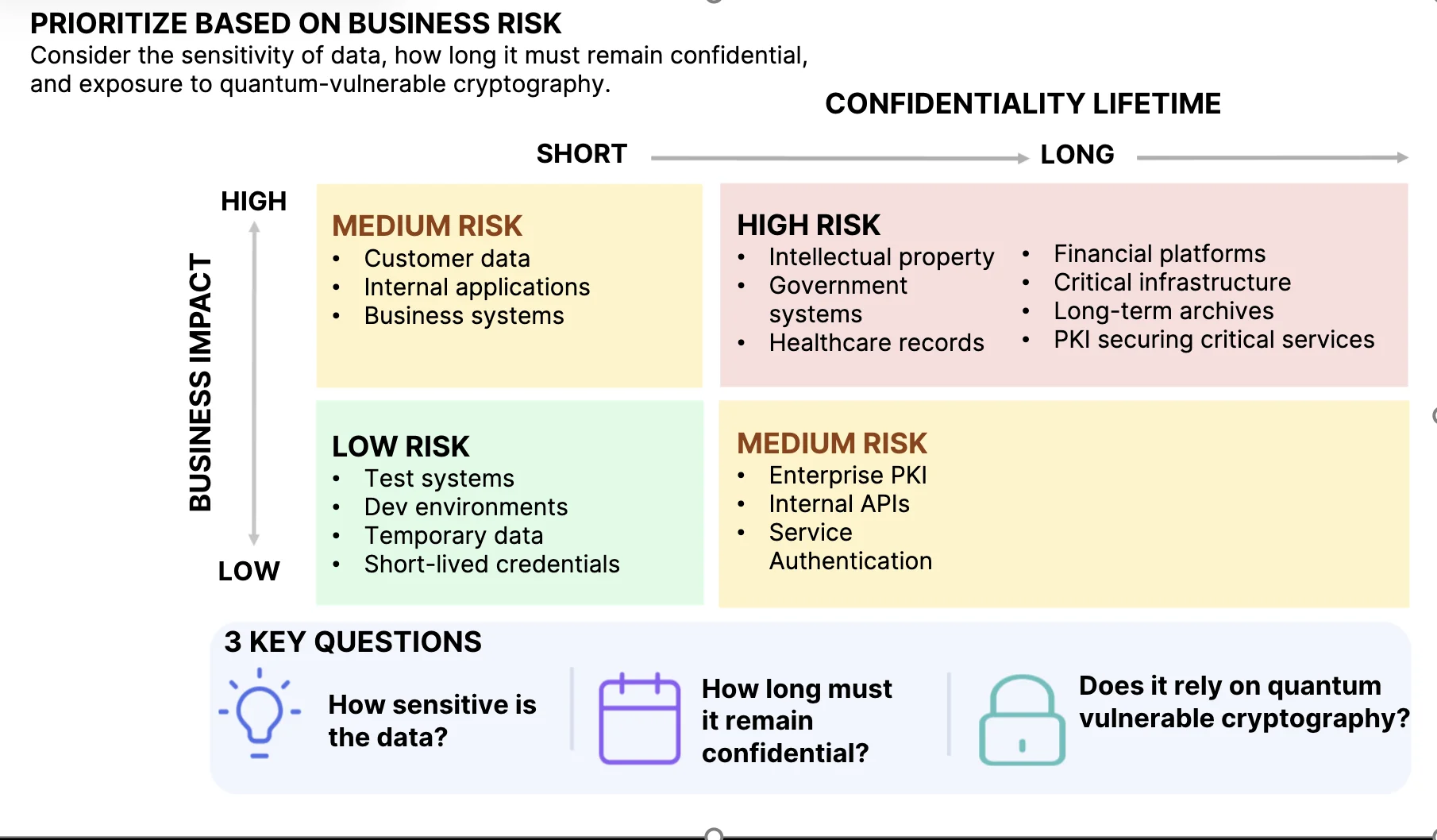
Prioritizing Post-Quantum Migration Efforts
Organizations must identify different priorities for addressing quantum threats:
High Priority: Immediate Action Required
Systems handling highly sensitive information requiring long-term confidentiality (10 years or more) should move to the forefront of migration planning. Key indicators include:
- High potential business impact if data were exposed.
- Long-term confidentiality needs.
- Reliance on currently vulnerable cryptography.
- Risk of being targeted by advanced adversaries.
Medium Priority: Plan for Modernization
These systems are critical to maintaining enterprise trust and security but don’t store the most sensitive data. Characteristics include:
- Moderate potential impact from exposure.
- Medium-to-long confidentiality timeline.
- Foundational roles in authentication or communication.
- Strategic importance for future PQC transitions.
Low Priority: Ongoing Evaluation
Systems that protect data with a short value lifecycle pose the least risk but should still feature in long-term PQC strategies. Their characteristics include:
- Limited impact from potential disclosures.
- Short-lived confidentiality requirements.
- Frequent credential rotation.
- Data that depreciates in value quickly.
HashiCorp Vault's Contribution to PQC Transition
Tools like IBM Guardium Quantum Safe Explorer can significantly aid organizations in identifying and addressing cryptographic risks. However, having a plan for modernization is equally critical. HashiCorp Vault plays a pivotal role in this phase by centralizing the management of secrets and cryptographic operations.
Key offerings from Vault include:
- Centralized secrets management.
- Encryption services aligned with evolving standards.
- Lifecycle management for keys and certificates.
- Non-human identity management and governance.
- Support for policy-driven access control.
These features are indispensable as companies begin integrating PQC into their security frameworks. Vault's infrastructure enables organizations to adjust their cryptographic approaches without needing extensive reworking of existing workflows.
PQC-Readiness with HashiCorp
HashiCorp is continually improving Vault to accommodate NIST-approved post-quantum algorithms, ensuring that security remains a priority. With capabilities like the Transit Secrets Engine, organizations can now utilize modern post-quantum signatures, facilitating the adoption of secure digital signing processes.
Moreover, with features tailored for format-preserving encryption, Vault supports organizations in protecting sensitive information while gearing up for PQC compliance.
As the industry embraces PQC, Vault’s foundational components already employ cryptographic mechanisms ensuring strong security. These include scalable storage protections and encryption methods that maintain resilience in a post-quantum landscape.
The Road Ahead for Post-Quantum Transition
Moving to post-quantum cryptography is set to become one of the most significant changes in the cybersecurity domain over the coming years. Organizations that postpone action until quantum computers become operational expose themselves to substantial risks, including the potential loss of sensitive assets and compliance violations.
The path to PQC readiness starts with discovery to create visibility, followed by prioritization to initiate action, leading to a robust crypto-agility framework. With the right tools and strategies, organizations can successfully navigate this essential transformation and protect their assets in a future shaped by quantum computing.
Stay informed on advancements in post-quantum cryptography and consider discussing your readiness journey with expert teams to enhance security in this evolving landscape.
Discussion
Sign in to join the discussion.