Google's Pixel 11 allows users to personalize their photography experience with customizable Camera Looks and retro-inspired filters.
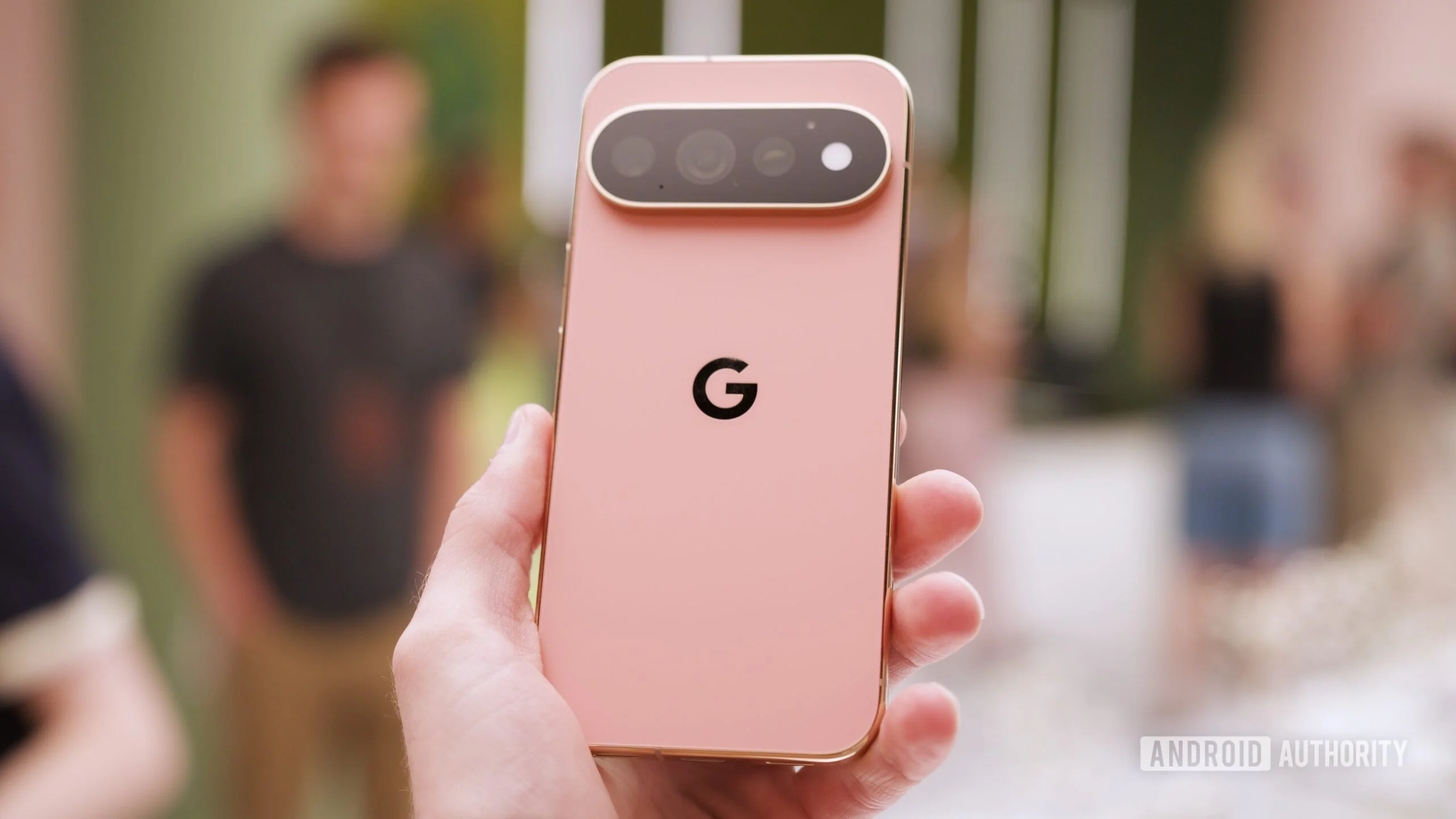
Google's latest Pixel 11 lineup is responding to growing dissatisfaction with overly processed smartphone photos by offering a fresh approach. Through its innovative Camera Looks feature, users can now tailor their images according to personal preferences, stepping away from the conventional, uniform aesthetic that many have come to expect.
Redefining Mobile Photography
The Pixel 11’s Camera Looks feature represents a significant pivot in smartphone photography. Traditionally, most smartphone cameras apply heavy computational photography techniques, which often result in images that look enhanced but can lack authenticity. This processing, while designed to improve image quality, has led to a growing chorus of voices among photography enthusiasts yearning for a more natural output. Google’s approach, offering custom styles that users can adjust according to their vision, shifts the paradigm. Now, users aren’t just passive recipients of a single aesthetic dictated by algorithms; they can tailor their experience extensively.
Understanding the Customization Options
The Camera Looks functionality brings several customizable styles into play, varying from sharp and detailed to softer, more muted expressions. This range isn't just about aesthetics; it reflects a broader understanding of diverse photography tastes and contexts. Some users might prefer a crisp, high-definition image, ideal for landscapes or urban environments, while others might seek out softer tones for portrait photography, which can often feel more intimate and personal. This flexibility addresses a notable need, as many photography enthusiasts seek a more authentic representation in their mobile photography.
What's evident here is Google’s recognition of user agency. The empowerment customers feel when they manipulate their imaging can drive deeper engagement with their devices. Each click becomes a manifestation of personal style, which goes beyond merely taking a photo to making a statement.
Film-Inspired Filters: Nostalgia Meets Technology
The Pixel 11 also introduces film-inspired camera filters, catering to users who enjoy a nostalgic touch in their imagery. This addition taps into a broader trend we've seen across the tech landscape, where vintage aesthetics come back into vogue. Whether it’s the current popularity of retro photography apps or users gravitating toward old-school film cameras, there’s a clear desire for elements that evoke a bygone era.
By incorporating filters reminiscent of classic photography, Google appeals to users looking for artistic flair in their digital captures. These filters can create unique visual signatures and set users apart in an age where everyone has access to high-performance smartphone cameras. Choosing to apply these filters means a departure from the sterile clarity often favored in today’s high-resolution photography. It suggests a thoughtful approach to image creation that embraces emotion and storytelling—a marked departure from the impersonal nature of many digital images today.
Market Positioning and Competitive Landscape
With these enhancements, Google is positioning the Pixel 11 as a compelling option for users eager to take control of their photographic output. It’s critical to see how this positions them against competitors like Apple’s iPhone and Samsung Galaxy series, which dominate the smartphone market. These brands are also pushing the envelope of smartphone photography but often lean heavily on computational enhancements, promoting a polished but sometimes generic output.
By enabling such customization, Google not only differentiates itself but also creates a broader emotional connection with its user base. Photographers want tools that respect their creative decisions. If you're working in this space, you'll appreciate that this move might attract a segment of users who have previously felt overlooked by major brands. The Pixel 11 invites creativity back into the fold, capturing those who want more than just another smartphone camera.
Consumer Insights and User Experience
The shift towards personalization in photography is deeply intertwined with evolving consumer expectations. As mobile photography has become more mainstream, users are starting to become aware of the differences in how various brands represent color, depth, and detail. They don't just want their next smartphone to take sharp pictures; they want it to reflect their style and vision.
Research has shown that consumers are not only interested in hardware specs but how these specs translate into real-world performance. Google’s efforts to improve photo quality through a customizable experience could address some unmet needs in user satisfaction—leading to higher engagement and potentially increased brand loyalty in a fiercely competitive space.
Implications for Future Smartphone Development
What this means for you, as a tech observer or consumer, is that we might see a shift in how smartphone manufacturers approach camera technology in the future. We’re likely to witness more brands hopping onto this customization bandwagon as they seek to differentiate themselves in an increasingly saturated market. Expect to see variations that allow users to manipulate not just filters but also focal points and depth of field to craft their unique stories.
And yet, it's essential to approach this trend with a degree of caution. Photo processing algorithms will always play a role in optimizing images, and there’s a fine line between providing artistic control and encouraging users to push beyond reasonable limits. Untrained users might over-edit, leading to images that could be criticized as amateurish or overly stylized.
Conclusion and Final Thoughts
In conclusion, Google’s Pixel 11 cameras do more than just capture images—they encourage engagement, creativity, and authenticity in a digital realm that sometimes feels overly processed. Through features like Camera Looks and film-inspired filters, Google is appealing to a significant and often vocal segment of the market seeking a return to more personalized photography. As competition heats up, it will be fascinating to see how other brands adjust their strategies in response to this shift. The Pixel 11 is a solid step toward redefining what mobile photography can be.
Discussion
Sign in to join the discussion.