The Pixel 11 Pro has garnered a surprising B grade for durability from EPREL, highlighting its free-fall reliability shortcomings compared to its siblings.
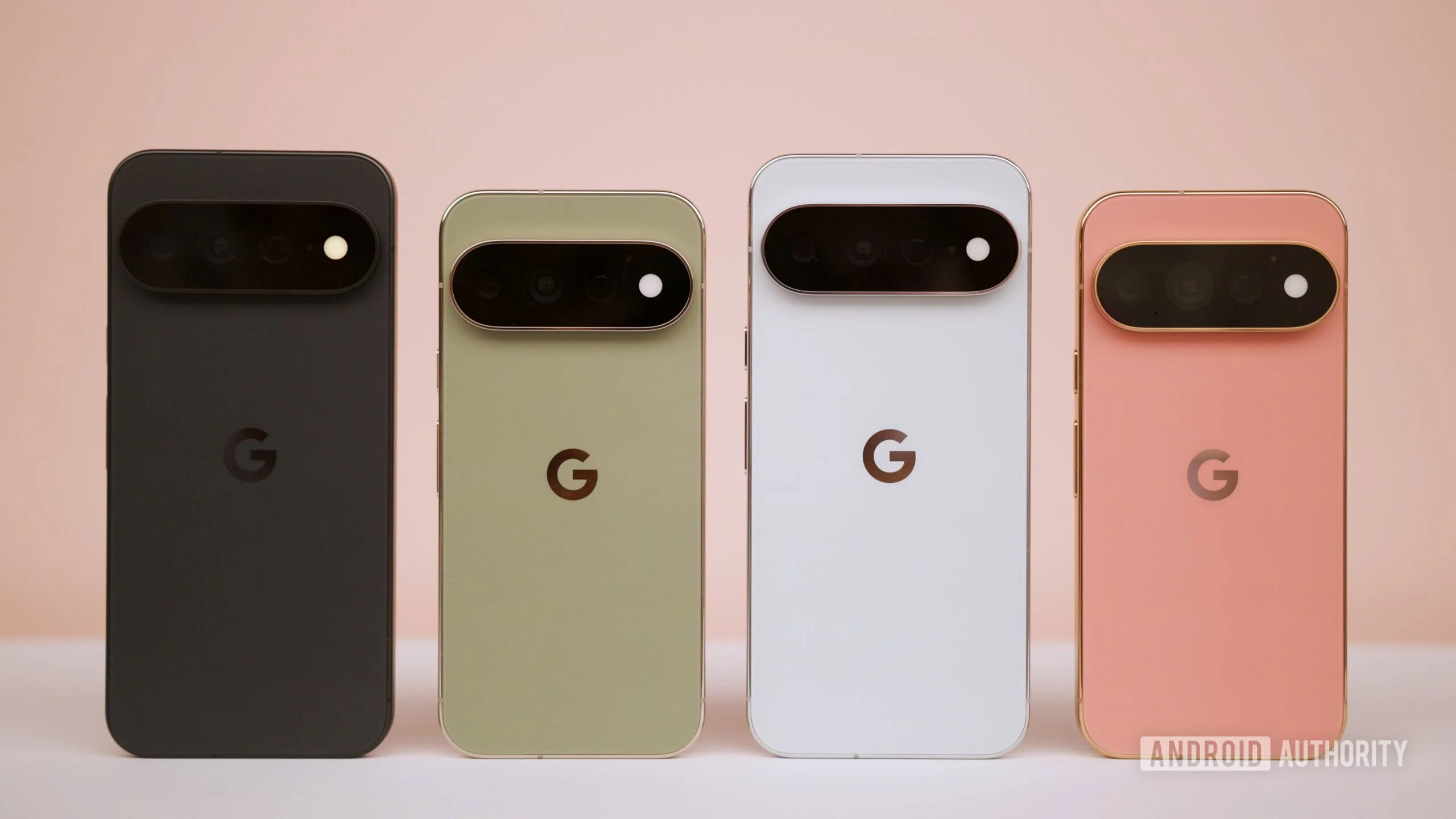
Pixel 11 Series Overview
The recently unveiled Google Pixel 11 series is capturing attention not just for its features but also for its energy efficiency and durability ratings revealed by the European Product Registry for Energy Labelling (EPREL). Google's Pixel line has always touted its camera prowess and pure Android experience, but this series shifts some of the focus to how devices handle energy consumption and physical resilience. This approach aligns with growing consumer awareness around sustainability and product longevity—a significant factor increasingly influencing purchasing decisions in the tech industry.
EPREL Ratings Insights
According to EPREL's data, each Pixel 11 model's performance is being scrutinized. Notably, the Pixel 11 Pro has achieved a B rating for durability, a surprising outcome considering it’s positioned as a premium device. The lower score stems largely from its decreased reliability in free-fall situations, raising questions about its long-term sturdiness compared to its counterparts. When examining flagship devices, durability is typically a critical attribute; if you’ve shelled out premium prices, you expect them to withstand the occasional drop.
What might stand out is how this rating contrasts with competitors in the same category. Brands like Apple and Samsung often boast high resilience levels across their flagship models, so a B rating for the Pixel 11 Pro might be perceived as a glaring weakness. It’s also essential to consider how marketing strategies play a role in shaping consumer perceptions of durability. A B rating may not scream premium quality, possibly affecting buyer confidence and future sales trajectories.
The implications of this rating are significant. For current Pixel users or potential buyers, it raises questions. If you're working in this space, especially in product development or marketing, it highlights the need for brands to back their premium pricing with equally premium durability ratings. Will Google respond by addressing these weaknesses in future iterations, or will they double down on other features to divert attention? This is more significant than it looks. Reputation can be fragile in the tech world; a single misstep can turn loyal customers into skeptics.
Battery Performance
All models in the Pixel 11 lineup exhibit impressive battery longevity, as they can maintain 80% of their capacity after 1,000 charge cycles. This durability in battery life is a strong point, even if the physical durability is under scrutiny. Battery performance has become a cornerstone in consumer decision-making, particularly as users rely increasingly on their devices throughout the day. If a phone’s battery can handle a thousand charging cycles and still retain most of its capacity, it assure users they won’t need to rush to upgrade as often.
In comparison, many smartphones on the market today struggle with battery degradation after just a couple of years. The Pixel 11’s battery performance suggests a level of engineering that prioritizes longevity—many tech enthusiasts see this as a particularly attractive feature. It’s vital for users who depend on their devices for both work and play to have batteries that don’t lose their efficiency quickly. (And this is the part most people overlook.) Battery longevity isn’t just about convenience; it’s linked to the environmental impact of frequent device replacements. By ensuring a longer life for each device, Google is potentially reducing electronic waste, which is a pressing issue in modern consumer electronics.
Implications and Future Outlook
The Pixel 11 series presents a mixed bag from a consumer standpoint, primarily driven by its durability ratings and battery life. As the tech industry shifts toward sustainability, manufacturers are likely to face increasing pressure to produce devices that not only meet performance expectations but also stand the test of durability. Google's approach puts a spotlight on the duality of new technology: it must be energy-efficient while also being physically dependable. If this trend continues, we might see an evolution in how devices are marketed, with increased transparency regarding their reliability.
Looking ahead, it will be interesting to see how Google handles the feedback surrounding the Pixel 11 Pro's durability. Will they introduce changes in materials or design in future iterations? The response to consumer concerns can dictate whether the brand maintains its stronghold in an increasingly competitive market. This situation could also affect other tech players, pushing them to rethink how they communicate durability and performance metrics.
Ultimately, the scrutiny faced by the Pixel 11 series may serve as a wake-up call for the tech industry. Manufacturers may need to address durability more comprehensively rather than just highlighting features. For consumers, being informed about these ratings empowers better decision-making, prompting manufacturers to elevate their game. The Pixel 11’s battery endurance alongside its questionable durability will likely remain a focal point for discussions leading up to future releases and advancements.
Discussion
Sign in to join the discussion.